Save Lives: Empowering Deaf Communities with Inclusive Disaster Preparedness
International Deaf Emergency (IDE) is a non-profit organization and an International Disabled Peoples’ Organization (DPO) based in the United States. Recognized as an International Member of the World Deaf Federation (WFD) and holding consultative status with the United Nations (UN), IDE is dedicated to advocating for the rights of the Deaf community, especially in times of natural disasters, conflicts, and other humanitarian crises. Our paramount objective is to guarantee equitable access to emergency services and assistance for deaf individuals in times of crisis.
Mastering Disasters : Experts in Risk Reduction
Our team comprises a group of highly skilled professionals who possess a wealth of knowledge and expertise in the field of humanitarian assistance. We maintain close collaborations with a range of esteemed humanitarian organizations and governmental bodies to effectively address the unique requirements of Deaf communities worldwide when confronted with large-scale disasters.
Revolutionizing Policies: Shaping a Brighter Future
The aspiration for an inclusive and diverse society is a highly regarded goal pursued by a multitude of organizations and governments. In this regard, the proficiency and counsel offered by IDE experts hold significant importance in shaping the development of inclusive policies. These professionals, serving as contributors, panelists, and moderators, make substantial contributions to the progress and implementation of such policies in both humanitarian organizations and governmental entities.
Expansion of Deaf Empowerment Initiatives
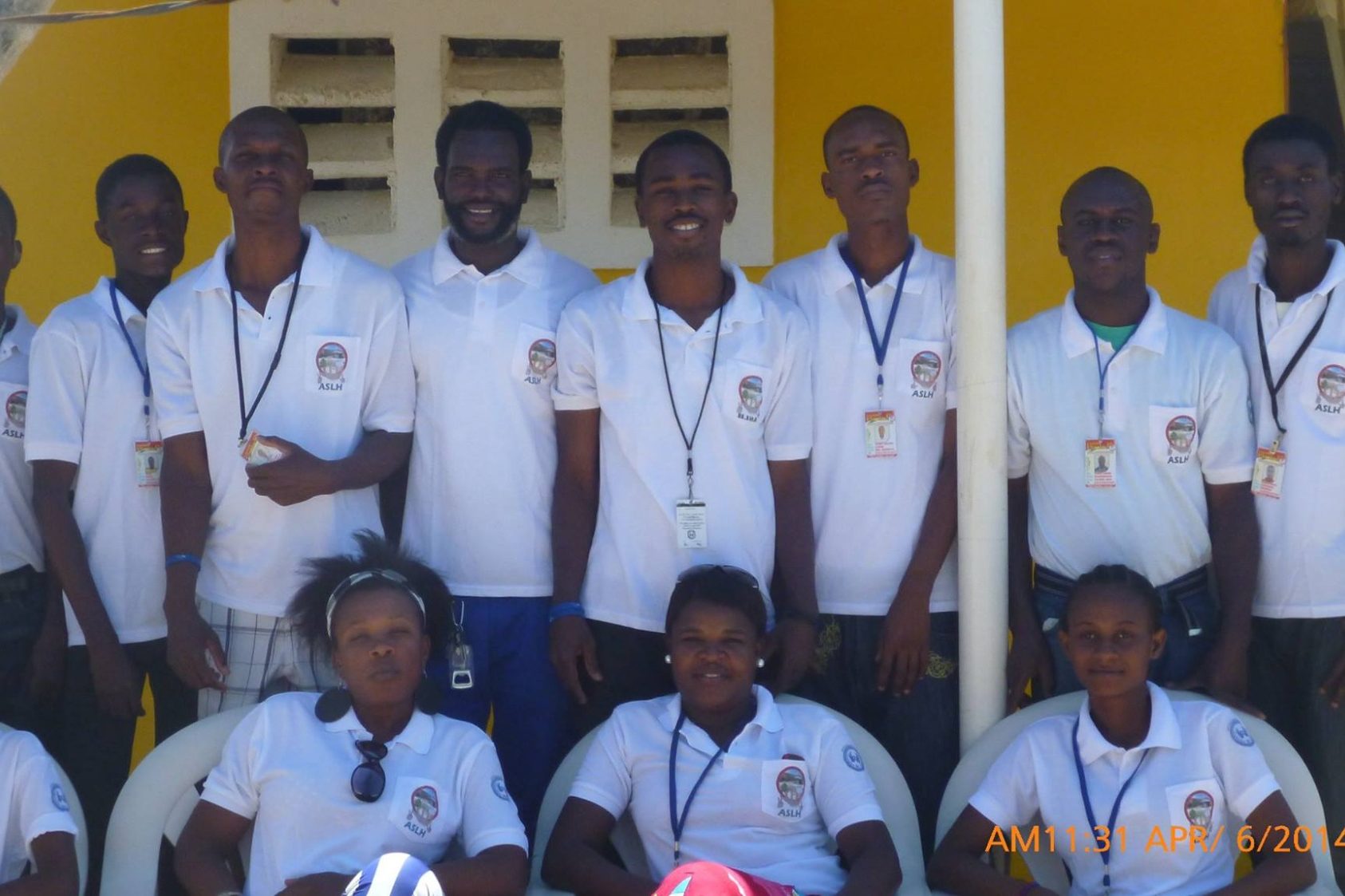
IDE firmly upholds the belief in the pivotal role played by national and local leadership. Our unwavering commitment lies in providing national Deaf organizations with comprehensive empowerment initiatives, including leadership courses, disaster preparedness training, and financial support. Our ultimate aim is to cultivate resilience within Deaf communities, enabling them to effectively navigate large-scale disasters in collaboration with their respective governments and major humanitarian entities.
+200
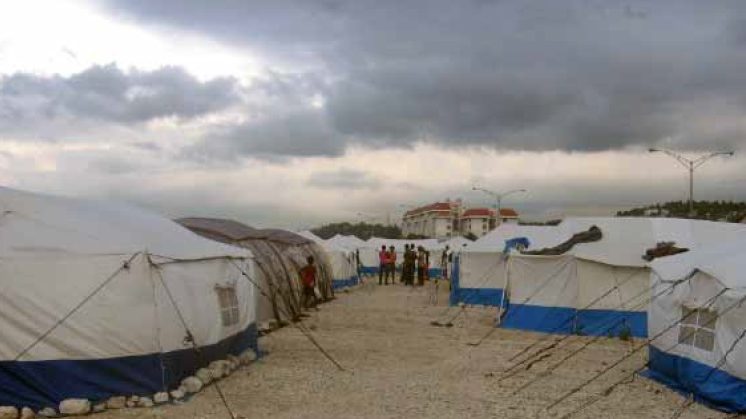
shelters provided
+ 160
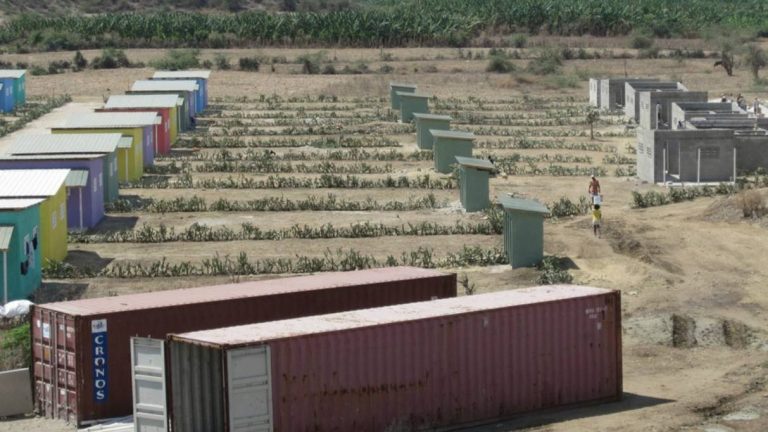
houses provided
+16
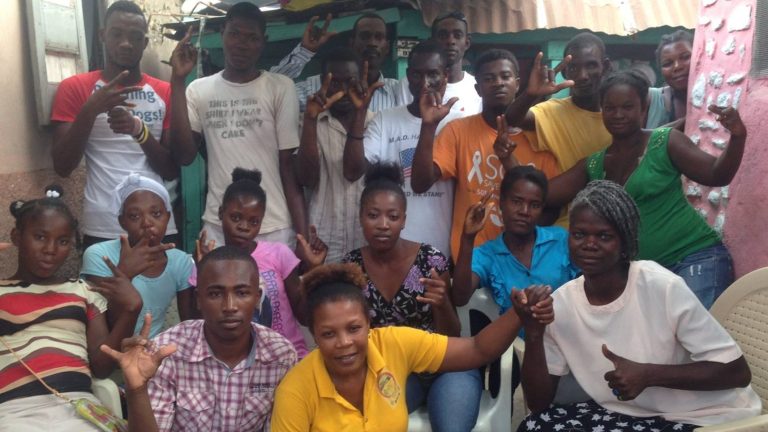
deaf organizations trained
Key activities
2010: Pioneering Inclusivity
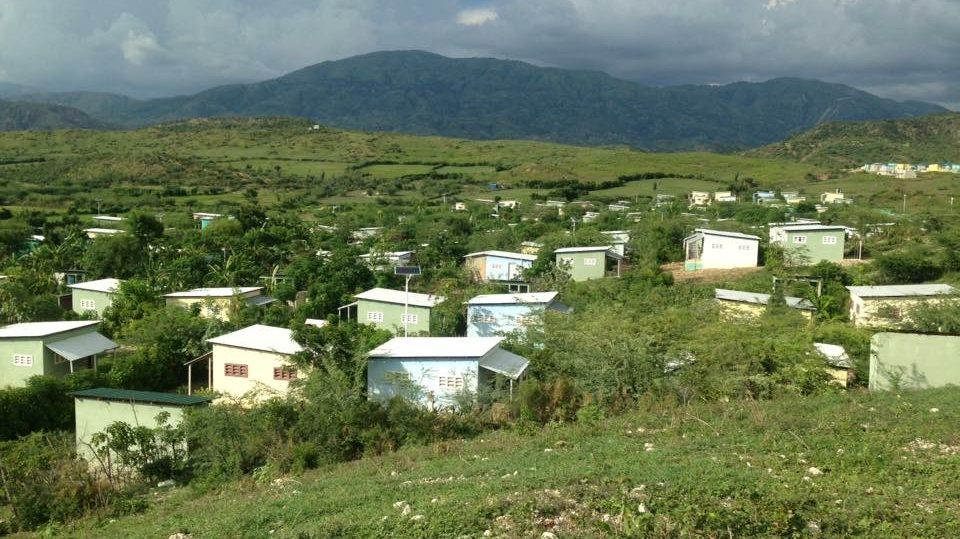
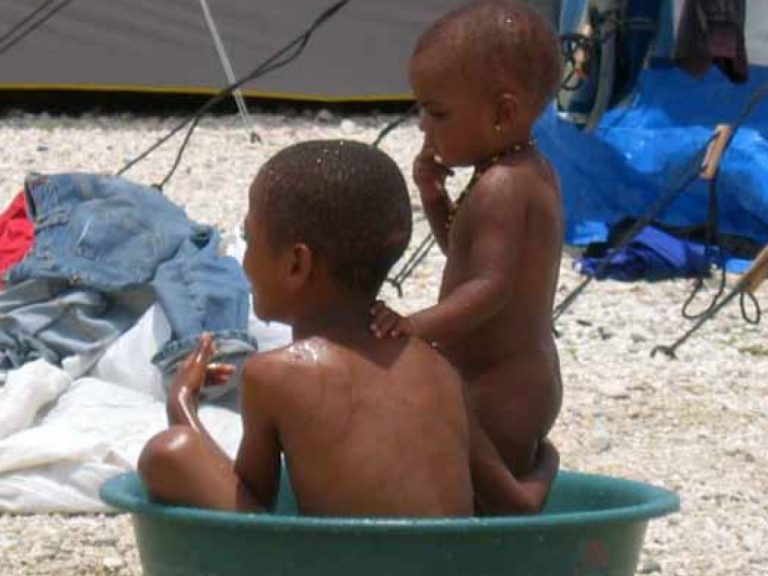
Initiated and promoted the first inclusive humanitarian camp in history designed for over 400 deaf and disabled refugees post-2010 Haiti earthquake.
2010-2014: Building Foundations
Secured $1M in financing, spearheading the construction of over 160 houses, 1 inclusive school and other infrastructures.
2011-2014: Advocating for Change
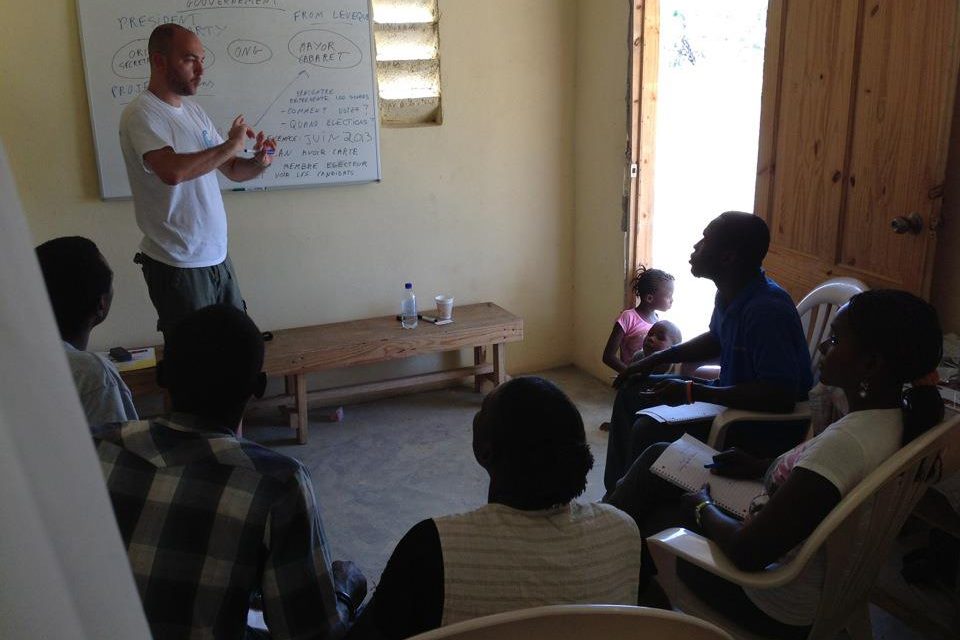
Project Supervisor for the Disability Right Fund (DRF) and Haiti's deaf community. Focused on leadership and organizational development with 13 local organizations, culminating in the formation of the first National Deaf Association that became a member of the World Federation of the Deaf (WFD).
2011-2014: Advocating for Change
Project Supervisor for the Disability Right Fund (DRF) and Haiti's deaf community. Focused on leadership and organizational development with 13 local organizations, culminating in the formation of the first National Deaf Association that became a member of the World Federation of the Deaf (WFD).
2014: Shaping Policies on Global Stage
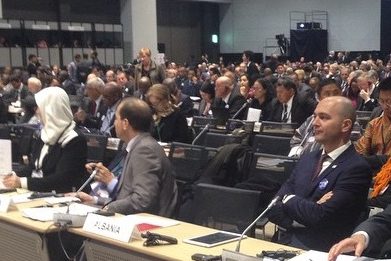
Moderator and Expert at a European Union workshop on emergency policies for persons with disabilities in Germany.
2011-2018: Education & Empowerment
Development teacher, reaching over 400 individuals across Haiti, Jordan, Colombia, Senegal, China, and Nepal. Topics covered include UNCRPD, Disaster Risk Reduction (DRR), advocacy, organizational development, empowerment, and micro-business.
Promoter of job initiatives with the recruitment of over 50 Deaf refugees into the workforce in construction efforts.
2011-2016: Empowering Economies
2015: International Advocacy
Expert and WFD Representative under the International Disability Alliance (IDA) at the Third UN World Conference on Disaster Risk Reduction in Sendai, Japan.
Presenter on Human Rights (CRPDH) and DRR at the XVI World Congress of the WFD in Istanbul, Turkey.
2016: Global Engagement
Panelist at the UN COSP16 in New York City, USA.
Panelist at the first UN World Humanitarian Summit in Istanbul, Turkey.
2016-2019: Expertise in Human Rights
Member of International Disability Alliance (IDA) in the Review Group, actively guiding the revision of the Minimum Standards for Age & Disability inclusion in Humanitarian Action.
Expert Member of WFD Expert Group on Human Rights, contributing insights to the advisory bodies of the WFD and its 136 national organizations.
2017-2019: Shaping Inclusive Policies
2021-2023: Visionary in Disaster Risk Reduction
Founder and Coordinator of the WFD Expert on Disaster Risk Reduction (DRR), providing technical aid and expert advice on DRR to the WFD and its 136 national organizations.
Empowering Change: Our Self-Sufficient Approach
As we evolve into a self-sustaining organization, our dedication to aiding deaf individuals in disaster zones remains steadfast. This significant transition empowers us to offer free training to other organizations, enhancing their ability to support the deaf community effectively. Our focus on innovation and community collaboration ensures the efficient utilization of resources, amplifying our impact on the deaf community.
Join us in this journey of empowerment and inclusivity, where every action contributes to a more accessible and equitable world for all.
Join Us in Making a Difference
Become a Part of our Team
If you share our passion for serving and advocating for the Deaf community, we invite you to join our team. Together, we can make a real difference in the lives of individuals facing disasters.

Follow Us
We need your consent to load the translations
We use a third-party service to translate the website content that may collect data about your activity. Please review the details and accept the service to view the translations.